
 Photoshop
 Maya
Maya ZBrush
 Houdini
 Unreal Engine
 Substance Painter
 Blender
 Nuke
Nuke Arnold
 KeyShot
 V-Ray
V-Ray Mari
Mari Marvelous Designer
 Marmoset Toolbag
 Substance Designer
 3ds Max
 3DCoat
 Redshift
 After Effects
 Faceform Wrap
 Lightroom
 OctaneRender
 SpeedTree
 Daz 3D
 Agisoft Metashape
 Fusion
 Modo
Modo RealityCapture
 Gaea
Gaea Cinema 4D
 Gravity Sketch
 Premiere
 Procreate
 Substance 3D Modeler
 Katana
 Mudbox
 Krita
Krita World Creator
 Yeti
Yeti Ziva VFX
 SketchBook
 Quixel DDO
 Mixamo
 Natron
 Quixel Bridge
 Quixel Megascans
 Adobe Medium
 Quixel Mixer
 SynthEyes
 Clip Studio Paint
 SketchUp
 Unity
Unity Gaffer
 Massive
 Materialize
 Ornatrix
 PreForm
 Corel Painter
 Moi 3D
 QuickTime
 Storyboard Pro
 TreeIt
 animBot
 ReCap
ReCap Meshmixer
 DaVinci Resolve
 World Machine
 xNormal
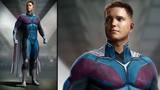





Learn how to develop a character concept from a rough sketch to a final render, using Blender for the 3D modeling and rendering and Photoshop for the final post-production work. This 3.5-hour workshop by art director and visual development artist Francesco Guarini is ideal for intermediate artists, though beginners can easily follow along and enjoy some Blender basics.
The workflow demonstrated in this character-focused workshop covers the basic principles of character design in Photoshop and how to translate a design in 3D using Blender. Francesco discusses the importance of considering functionality during the design process and always being mindful of how your design will affect the modeling, rigging, and animation departments.
This comprehensive tutorial is recommended for artists looking to incorporate Blender modeling into their character design workflow, though the techniques taught can be applied to any design workflow. Project files supplied with this workshop include Francesco’s design, model, and render files for subscribers to learn from.
14 Lessons
Francesco Guarini's workshop highlights that character design benefits from cross-disciplinary knowledge, particularly an understanding of the requirements for 3D modeling, rigging, and animation. By bridging the gap between 2D design and 3D production, artists can create more production-ready characters. Francesco’s introduction shows how learning 3D modeling improves the ability to create practical designs that work seamlessly in modern animation pipelines.
Duration: 1m 46s

In this lesson, Francesco reveals that thoughtful research and reference gathering form the foundation of successful character design. Mood boards serve as a bridge between initial concepts and actual design work, balancing preparation with forward momentum. The goal is to gather enough inspiration to spark clear ideas before confidently moving into the sketching phase.
Duration: 8m 38s

The sketching phase reveals that successful design balances creative exploration with practical constraints. By generating numerous quick concepts and remaining open to discovery, it is possible to find solutions that solve both aesthetic and technical challenges. A loose sketching approach allows for free exploration while letting the best ideas emerge naturally.
Duration: 18m 10s

Character design for 3D production requires constant consideration of volumes, functionality, and technical constraints. A methodical approach ensures the character translates efficiently into a 3D model. This iterative process validates design decisions and prevents problems from emerging later in production.
Duration: 22m 32s

In this lesson, Francesco demonstrates quick 3D blocking to test functionality before committing to detailed drawings ensures a design is both visually appealing and mechanically believable. Successful character design balances aesthetic appeal with practical considerations, knowing when to add complexity and when to maintain simplicity for visual clarity.
Duration: 15m 4s

When creating a character, proper planning using orthographic reference views is critical for successful character modeling, as it ensures design fidelity and correct proportions. Beyond technical skills, versatility is a professional's best defense; becoming a multi-disciplinary professional increases job security and empowers the independent development of creative projects.
Duration: 8m 51s

In this lesson, artists will explore a holistic approach to character design that bridges concept art and 3D production. By creating rough 3D blockouts, it is possible to ensure designs are volumetrically sound and functionally viable for animation. This multidisciplinary approach saves time and reduces revisions by creating a solid foundation for both visual development and final modeling.
Duration: 19m 58s

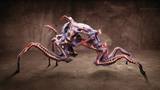
In this lesson, Francesco demonstrates how thoughtful planning around rigging, animation, and functionality early in the modeling process leads to more successful final designs. By using efficient techniques such as subdivision surface modeling, kit-bashing, and staged detailing, he creates a complex robotic crab character that is both visually appealing and functionally practical, ready for the next stages of texturing and rendering.
Duration: 27m 24s

This lesson highlights how successful character modeling balances aesthetic appeal, functional design, and production practicality. Francesco's approach of constantly testing animation requirements while modeling, rather than treating it as a post-modeling problem, exemplifies production-friendly workflow. The emphasis on the head and eyes as the character's emotional center, combined with thoughtful surface detailing that reinforces personality, shows how technical modeling skills and design sensibility must work together to create compelling, believable characters ready for animation pipelines.
Duration: 22m 4s

This lesson demonstrates how thoughtful placement of surface detail not only creates visual appeal but also communicates the character's history and prepares the model for future rigging and animation. Attention to asymmetry, varied detail density, and consideration for deformation requirements reflects professional-level character development practices, with the next steps focusing on posing, material application, and final presentation in Photoshop.
Duration: 11m 37s

This lesson demonstrates how, by combining origin-based posing, library materials, and direct mesh painting, artists can quickly create detailed, poseable characters ready for final rendering. The workflow is particularly valuable for illustration and concept work where full animation rigging would be unnecessarily time-consuming, allowing artists to focus on visual quality while maintaining flexibility for scene integration.
Duration: 22m 50s

Francesco reveals an efficient approach to creating presentation-ready character renders without investing time in full production rigging. By combining strategic camera angles, the Rembrandt lighting technique, and a smart parenting hierarchy for posing, artists can produce professional character sheets suitable for concept art and departmental communication. He plans to further refine the renders in Photoshop, particularly enhancing the rim lighting for a more graphic look, showing how 3D and 2D techniques can work together for optimal results.
Duration: 12m 19s

The goal in this lesson is to transform sterile renders into compelling character art by strategically adding life, imperfection, and visual interest. Francesco's approach balances technical precision with artistic intuition, demonstrating that successful character painting involves knowing when to add or remove detail, where to guide the viewer's eye, and how to create images that feel alive rather than artificially perfect.
Duration: 15m 26s

In this final lesson, Francesco explains how this workshop provides a production-ready workflow for character artists that bridges the concept design and 3D modeling disciplines. Francesco emphasizes the importance of each step in the pipeline and encourages artists to apply their newly acquired skills through hands-on-practice. The course's comprehensive nature equips artists with both creative and technical skills needed for professional development.
Duration: 1m 22s

Primary tools
For this workshop you’ll need:
Project Files
When you download the project files, you'll get access to Francesco Guarini's breakdown of sketches of character designs and full 3D renders of the character to reference. Inside, you'll find:
- 3D renders (.jpg) – Renders of the character design in color and in black and white
- Character sketches (.jpg) - Rough sketches of the character design used to create the 3D model
Skills Covered
Who’s this Workshop for?
This workshop is designed for intermediate artists in character design, visual development, or 3D modeling who want to expand their skill set by integrating Blender into their creative workflow. It's also highly valuable for art directors and concept artists eager to understand the technical aspects of translating 2D designs into 3D models.
Beginners interested in character development can follow along and build a strong foundation in both Blender basics and industry-standard design principles. Francesco Guarini’s comprehensive approach makes the workshop accessible to anyone looking to see how thoughtful design decisions impact downstream production departments such as modeling, rigging, and animation.
Learning Outcomes
On finishing this workshop, artists will have developed a character design workflow that seamlessly integrates 2D concept art with 3D modeling and rendering techniques.
Key skills include:
- How to develop character concepts from initial rough sketches to polished final designs.
- How to translate 2D character designs effectively into three-dimensional Blender models.
- How to apply fundamental character design principles while considering production functionality requirements.
- How to use Blender's modeling tools specifically for character creation and development workflows.
- How to render 3D character models professionally using Blender's rendering capabilities and settings.
- How to enhance final renders through post-production techniques and adjustments in Photoshop.
- How to make design decisions that support modeling, rigging, and animation department needs.


