
 Photoshop
 Maya
Maya Houdini
 Unreal Engine
 Substance Painter
 Nuke
Nuke Arnold
 KeyShot
 V-Ray
V-Ray Substance Designer
 Mari
Mari Marvelous Designer
 Marmoset Toolbag
 3ds Max
 Redshift
 After Effects
 Faceform Wrap
 Lightroom
 OctaneRender
 SpeedTree
 Daz 3D
 Agisoft Metashape
 Fusion
 Modo
Modo RealityCapture
 Gaea
Gaea Cinema 4D
 Gravity Sketch
 Premiere
 Procreate
 Substance 3D Modeler
 Katana
 Mudbox
 Krita
Krita World Creator
 Yeti
Yeti Ziva VFX
 SketchBook
 Quixel DDO
 Mixamo
 Natron
 Quixel Bridge
 Quixel Megascans
 Quixel Mixer
 SynthEyes
 Clip Studio Paint
 SketchUp
 Unity
Unity Gaffer
 Massive
 Materialize
 Ornatrix
 PreForm
 Corel Painter
 Moi 3D
 QuickTime
 Storyboard Pro
 TreeIt
 animBot
 ReCap
ReCap Meshmixer
 DaVinci Resolve
 World Machine
 xNormal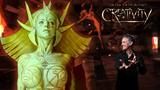
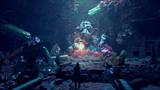



Learn how to effectively communicate stories and evoke emotions with your 3D environment concepts. In this 4.5-hour workshop by Concept Artist Andy Walsh, you’ll discover the process he’s refined through a decade of experience to design environments that can draw the audience into an environment to establish an emotional connection.
Beginning with reference gathering and quick sketches, Andy walks through his process for gauging the direction of the environment, and determining what needs to be created in 3D. From there, he uses a combination of Adobe Medium, 3D-Coat, Blender, and a little ZBrush, to put together an intriguing story moment to invoke curiosity in the viewer. You’ll discover how Adobe Medium can be used to block-in an entire environment with surprising ease, and learn how you can quickly and effectively add realism to your digital sculpts using 3D-Coat. You’ll also practice harnessing the power of Quixel MegaScans to blend your 3D creations with natural assets. Andy’s workflow also includes his simple process for inserting characters with the help of Mixamo and Sketchfab.
Once the environment has taken shape, he shows how to render it out in Blender and export it into Photoshop where he adds the final layer of the story, along with finishing details and polish work. It’s here in this final phase where all the real magic happens! This workshop is designed for artists with some familiarity with Blender but who may struggle with the often necessary addition of adding in living characters and organic hand-made props.
The grim and gruesome assets that Andy creates in this workshop are provided as downloadable project files for subscribers.
13 Lessons
Andy demonstrates that successful concept art creation requires thoughtful pre-planning and multiple iterations rather than a linear A-to-B process. He emphasizes the importance of prioritizing emotional engagement and storytelling over purely aesthetic considerations, while being transparent about the struggles and uncertainty inherent in the creative process. This phase sets up the foundation for a more intimate, story-driven piece that diverges from conventional concept art approaches.
Duration: 9m 48s

This lesson provides an honest look at the messy, uncertain beginning stages of concept art creation. Andy emphasizes that feeling uncomfortable and not knowing what you're doing is completely normal when starting a creative project. Rather than pushing forward blindly, he demonstrates the wisdom of recognizing when you need to step back, reassess your goals, and return to foundational planning before continuing with the work.
Duration: 10m 35s

This lesson demonstrates a structured creative process where Andy systematically explores multiple design directions before settling on a concept. By combining reference research, iterative sketching, and written briefs, he shows how to narrow down from broad possibilities to a specific skeletal/skull aesthetic. A transition to 3D sketching in Adobe Medium marks the next logical step in bringing 2D concepts into a more fully realized form.
Duration: 3m 55s

Adobe Medium is an excellent rapid-prototyping tool for 3D concepts, offering an intuitive, flow-state creative experience that traditional 3D software cannot match. While its lack of camera controls makes it unsuitable for final composition work, it excels as a 3D-sketching tool that bridges the gap between 2D concept art and final 3D production. Andy explains its role in a hybrid workflow and how to manage technical limitations through proper layer organization and export strategies.
Duration: 11m 39s

This lesson effectively demonstrates the iterative reality of 3D scene composition, where even experienced artists must experiment, fail, and restart multiple times to achieve a satisfying result. The key lesson is that good composition often requires flexibility and willingness to abandon approaches that aren't working, even when significant time has been invested. Andy’s journey from a cramped, inflexible scene to an open, breathing composition shows how persistence and critical self-evaluation lead to stronger final results.
Duration: 21m 37s

This lesson demonstrates the complex challenge of preserving sculpted detail while managing technical constraints across multiple software packages. Andy emphasizes that, while the process can be messy and involves significant trial and error, the key is finding the right balance between polygon density and performance. His ultimate goal is to maintain as much of the original sculpted detail as possible while creating assets that are practical to work with in final rendering applications like Blender.
Duration: 37m 6s

This lesson demonstrates the iterative nature of 3D environment design, emphasizing how composition decisions drive technical execution. Andy’s methodical approach to problem-solving (from removing sightline obstacles to optimizing geometric performance) shows how artistic vision and technical constraints must be balanced. His focus on consistent shape language and environmental storytelling elements reveals how successful scene design requires both technical proficiency and narrative consideration.
Duration: 32m 26s

This lesson illustrates the complex decision-making process in 3D scene creation, where technical proficiency must serve artistic vision. Andy’s willingness to repeatedly revise and refine the work demonstrates how professional-quality results require balancing multiple competing factors: visual simplicity, narrative elements, technical constraints, and compositional harmony. Andy's detailed technical workflows provide practical methods for integrating photorealistic scanned assets with custom materials and effects.
Duration: 32m 15s

This lesson showcases the complex, multi-software pipeline required for professional 3D environment creation. Andy walks through his decision to pivot from an original pillar design when it didn't serve the scene, demonstrating the importance of knowing when to adapt rather than force a concept. The technical challenges of moving geometry between different 3D applications highlight the importance of understanding each software's strengths and limitations in a 3D workflow.
Duration: 19m 30s

This lesson demonstrates advanced environmental detailing techniques that bring a 3D scene to life through subtle additions like weathered flags, organic ivy growth, and scattered debris. Andy emphasizes that, while these details may seem minor, they contribute significantly to the scene's overall realism and atmosphere. His process highlights the iterative nature of 3D environmental work, where achieving the right look often requires extensive experimentation with settings and careful attention to how elements interact with existing scene geometry.
Duration: 22m 46s

This lesson demonstrates a practical, efficiency-focused approach to character creation in 3D concept art. Andy successfully balances artistic vision with technical constraints by using kitbashing techniques and strategic lighting to create believable armored characters. His emphasis on workflow efficiency over perfect modeling shows how concept artists can achieve professional results while managing time and complexity, setting up the project for the final rendering and post-processing phases.
Duration: 22m 41s

This lesson demonstrates that achieving photorealistic results requires extensive post-processing work beyond the initial 3D render. Andy emphasizes that roughly 90% of the final image comes from the 3D work, but the remaining 10% of digital painting and compositing work is what transforms a raw render into a convincing, artistic final piece. Andy explains how to subtly remove the "perfect" quality of 3D renders while maintaining the underlying detail and structure.
Duration: 1h 3s

In this final lesson, Andy successfully demonstrates how concept art can evolve from loose initial ideas into compelling narrative-driven pieces. The key to effective storytelling in visual art lies in adding environmental details that prompt viewers to question and imagine the story for themselves. His approach of embedding mystery and atmosphere through careful composition and detail work creates engaging concept art that goes beyond mere visual appeal to become a story moment that resonates with audiences.
Duration: 5m 3s

Primary tools
For this workshop you’ll need:


* Note that these programs and materials will not be supplied with the course.
Project Files
When you download the project file with this workshop, you'll get access to a complete Blender 3D scene that was used as a base for the final painting. Inside, you'll find:
- Blender scene file – The main project file (.blend) containing all the assets, lighting setup information, and other settings included
Skills Covered
Who’s this Workshop for?
This workshop is designed for concept artists and 3D environment artists with basic familiarity with Blender who want to enhance their storytelling abilities. It's perfect for professionals who struggle to integrate living characters and organic handmade props into their environmental designs.
Game developers, film pre-visualization artists, and digital illustrators will also benefit significantly from Andy Walsh's refined workflow. They'll gain practical techniques for creating emotionally engaging environments that draw audiences in and establish meaningful connections through visual storytelling.
Learning Outcomes
By completing this workshop, artists will have mastered a professional workflow for creating emotionally compelling 3D environment concepts that effectively communicate stories and connect with audiences.
Key skills include:
- How to gather effective reference materials and create directional sketches for environment concepts.
- How to use Adobe Medium for rapid environment blocking with maximum efficiency and ease.
- How to enhance digital sculpts with realistic details using 3D-Coat's specialized toolset and features.
- How to integrate Quixel MegaScans assets seamlessly with custom 3D environmental creations.
- How to incorporate animated characters using Mixamo and Sketchfab into environmental scene compositions.
- How to render environments in Blender and export them properly for post-production work.
- How to add final storytelling elements and polish details in Photoshop for maximum impact.


